
Sign in to submit photos
Turtle Pie
Read the ride before you spark it
Turtle Pie earns its DeePuff fit from 27% THC, a chill evening profile led by Limonene, and effects that lean calmer and more body-forward.
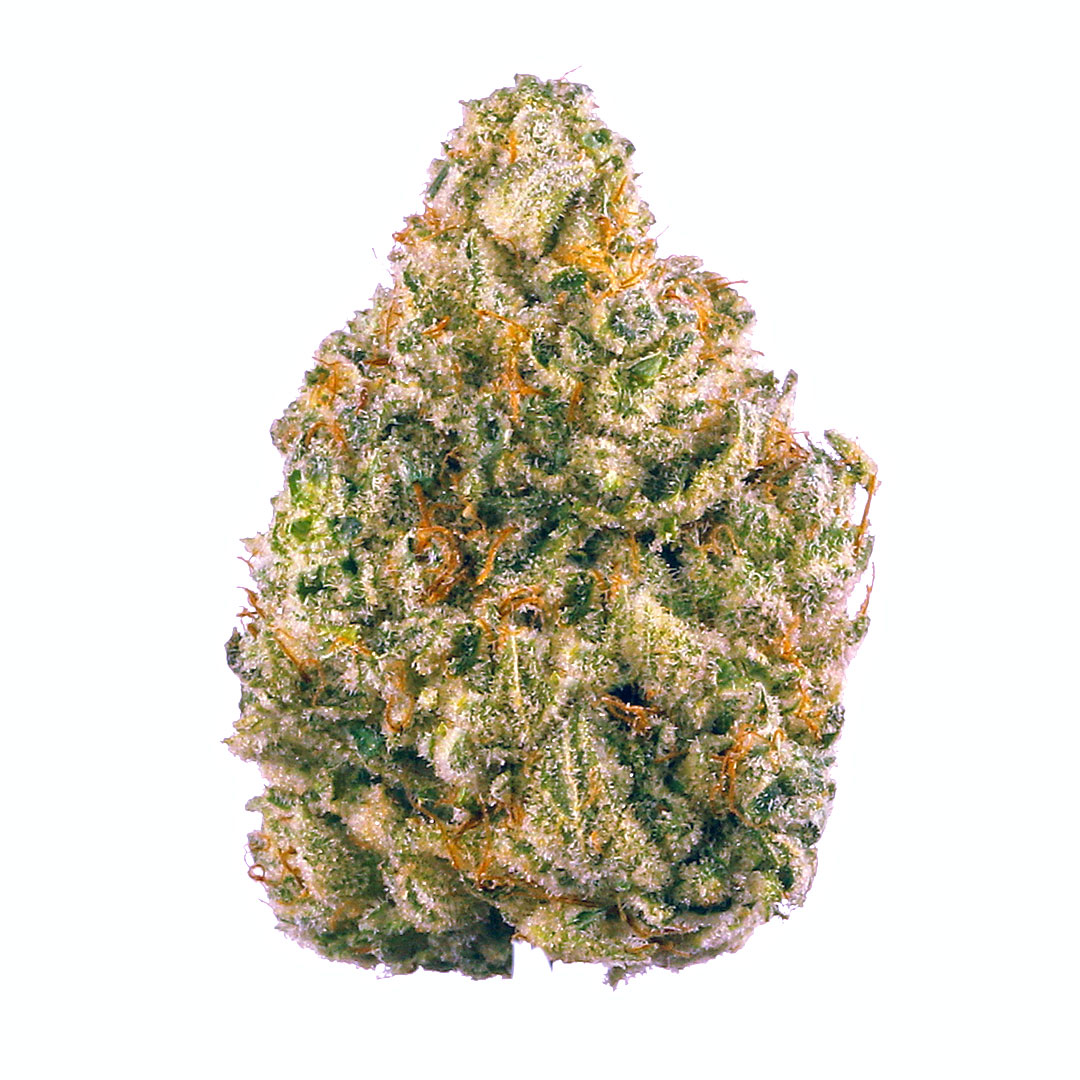
Turtle Pie is an indica-dominant weed strain made from a genetic cross between unknown parent strains. Turtle Pie is 29% THC, making this strain an ideal choice for experienced cannabis consumers—beginners beware. customers tell us Turtle Pie effects include tingly, aroused, and sleepy. Medical marijuana patients often choose Turtle Pie when dealing with symptoms associated with insomnia, anxiety, and stress.
Spot something off? Send a sourced correction, or let DeePuff re-check public reference signals for consistency.
Turtle Pie Statistics
~27%
0%
Effectsai
Possible Side Effects
Science Snapshot
Flavor Profile
Medical Uses
* Consult a medical professional for personalized advice
Potency Analysis
Your starting dose
general estimateStart with 5 small inhalations (or ~8 mg edible). Turtle Pie hits harder your typical strain (×1.5).
THC-Dominant Recreational
THC onlyClassic recreational profile. Maximum psychoactive load, minimal CBD modulation.
Most modern dispensary flower (ElSohly 2016 cannabinoid trend study).
Actual Delivered Dose
Turtle Pie is 27% THC, but combustion + first-pass loss eat most of it. Here's what reaches your bloodstream.
Total THC in dose: 81 mg
Sources
Joint / Blunt: Combustion + sidestream loss; ~63–73% destroyed (Pomahacova 2009).
Bong: Cooler combustion, less sidestream; ~50–60% retained.
Dry-Herb Vape: Volcano studies show ~55–80% delivery at 180–210°C (Hazekamp 2006).
Dab / Concentrate: Pre-decarbed extract; quartz-banger 500°F (Raber 2015).
Edible: High first-pass hepatic loss; 4–20% bioavailability (Lucas 2018).
Sublingual / Oil: Bypasses some first-pass; 13–35% bioavailable.
Terpene Profile
The aromatic compounds that define this strain's unique characteristics and effects
What are Terpenes?
Terpenes are aromatic compounds found in cannabis that contribute to each strain's unique smell, taste, and effects. They work synergistically with cannabinoids in what's known as the "entourage effect" to enhance or modify the overall experience.